

Have you ever wondered how we know so much about prehistoric life? Why do you think we know that dinosaurs and other creatures once existed hundreds of millions of years ago? The answer to these questions is the discovery of fossils and their importance to piecing together evidence to indicate that such animals did exist.
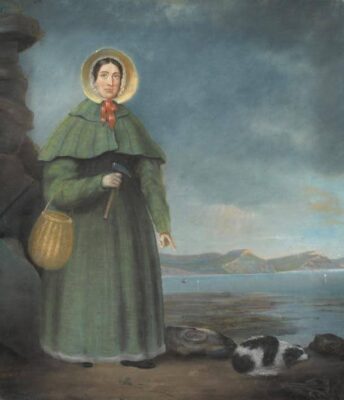
Who is Mary Anning?
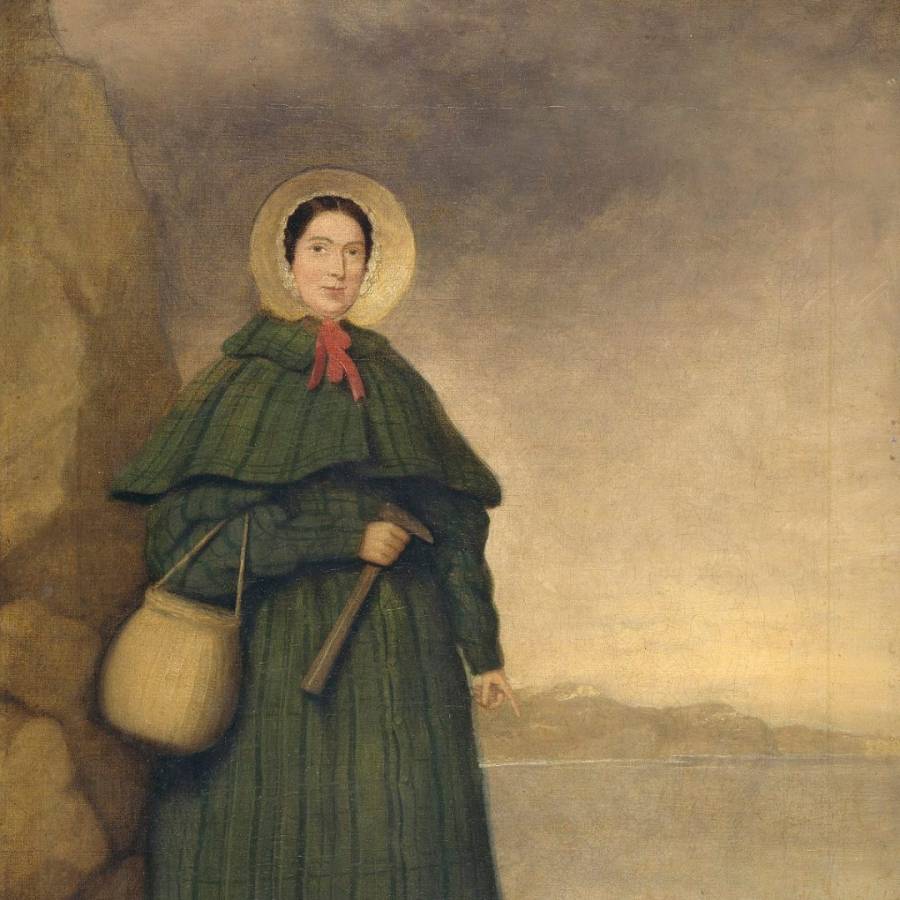
Mary Anning is known as one of the most famous fossil collectors and palaeontologists in the world. She discovered the first Plesiosaurus known to man and the first pterosaur species found in England.
Her Childhood and Early Career
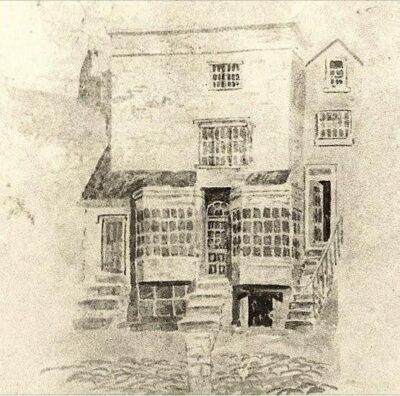
Mary Anning was born in 1799, in Lyme Regis, Dorset to a working class couple, Richard Anning and Mary Moore. Her father was a cabinet maker and carpenter who also sold coastal fossils to tourists with his wife to make more of an income. Anning’s father taught her about how to clean and polish fossils which sparked her interest in geology from a young age.
When she was eleven years old, her brother Joseph discovered a four-foot long skull of an ichthyosaur (fish lizard) and a year later, Mary excavated the rest of it. Around this time, Georges Cuvier, known as the father of palaeontology, had introduced the theory of extinction from which he validated Anning’s discoveries and her expertise to more doubtful scientists.
Due to her having a limited education because of her family’s financial situation, she largely taught herself to read and write and later she began her self studies of geology, anatomy and scientific skeletal sketches.
When she was around 27 years old, Mary Anning opened her own shop in Lyme Regis called “Anning’s Fossil Depot” where she sold specimens she found in the Blue Lias Cliffs such as belemnites and ammonites to collectors and museum creators worldwide.
The Barriers Mary Anning Faced
Anning faced many social challenges throughout her lifetime because she was a woman and was born into a family of poverty. Being a woman in the Regency Era meant that Mary Anning was banned from joining the Geological Society of London and even attending any of their meetings. Another challenge Anning faced was the fact that a lot of her work and discoveries were not credited to her and instead other men in the field took her achievements as their own.
Anning is quoted as having said “The world has used me so unkindly, I fear it has made me suspicious of everyone.”
Anna Pinney, a friend of hers, wrote in her diary that Anning believed “these men of learning have sucked her brains, and made a great deal of publishing works of which she furnished the contents, while she derived none of the advantages.”
Her Legacy
Mary Anning died from breast cancer in 1847 and is now buried in St Michael’s Parish Church in Lyme Regis which has since installed a stained glass window in her memory. The Natural History Museum has since described her as the greatest ever fossil collector and in 2010 and she is included in the Royal Society’s list of the top ten most influential women in science.
This article was written by Elika Dutta – connect with Elika on LinkedIn here!